
Man’s Best Friend Evolved: How Dogs Changed with Us
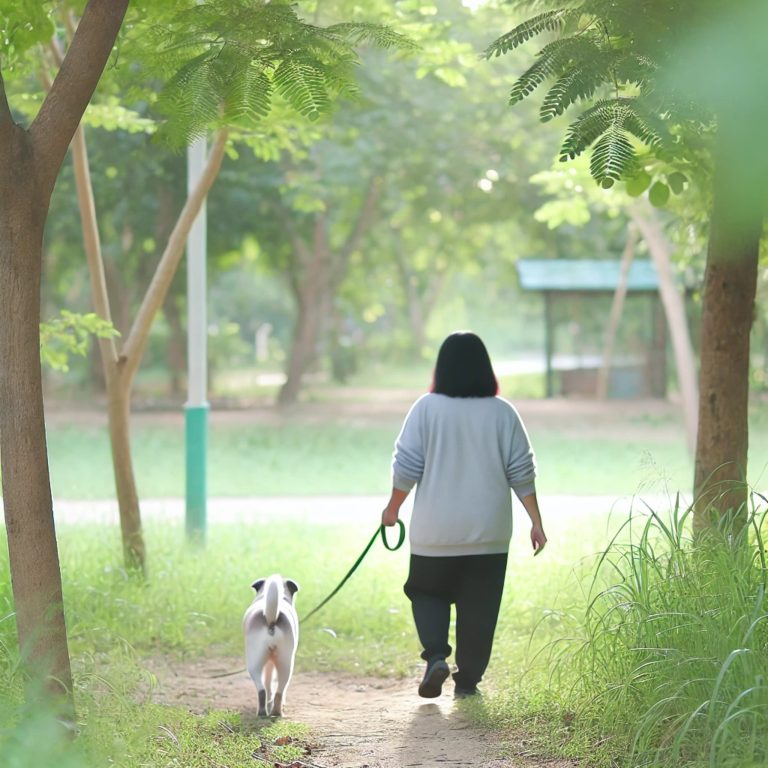
A special episode on how dogs evolved alongside humans, highlighting changes in behavior, roles, and even breed development over time.
When and how did dogs first become domesticated?
Dogs were domesticated from wolves approximately 20,000 to 40,000 years ago. This process began with a mutually beneficial partnership between early humans and wolves who displayed less aggression and more social behavior. These wolves likely scavenged around human settlements, gradually developing a closer relationship with humans.
What are some key behavioral changes dogs underwent during domestication?
Dogs evolved to become highly attuned to human social cues, developing the ability to read human emotions through facial expressions, body language, and vocal tones. They exhibit reduced fear responses towards humans and a stronger desire for social connection compared to their wolf ancestors. Additionally, dogs developed the unique ability to understand pointing gestures, demonstrating a deep co-evolution of communication skills with humans.
How have the roles of dogs in human society changed over time?
Initially, dogs were primarily used for hunting and protection. As human societies transitioned to agrarian economies, dogs adapted to herding livestock. In some cultures, dogs held spiritual significance. With industrialization and urbanization, dogs increasingly became companions. In modern times, they have expanded their roles further, serving as therapy animals, emotional support companions, and even medical alert partners.
What is selective breeding, and how has it shaped different dog breeds?
Selective breeding involves intentionally breeding dogs with desirable traits to create offspring with those specific characteristics. This process has led to the wide variety of dog breeds we see today. For example, Saint Bernards were bred for their strength and cold tolerance for mountain rescues, while Greyhounds were bred for speed. Selective breeding has also shaped physical traits like floppy ears, shortened snouts, and spotted coats.
How has the physical appearance of dogs changed through domestication and selective breeding?
Selective breeding has dramatically altered the physical appearance of dogs. Traits like floppy ears, shortened snouts, and a wide array of coat colors and patterns have emerged through human-directed breeding. These changes often aimed to enhance docility and appeal to human preferences.
What are some current trends in the human-dog relationship?
Dogs are increasingly viewed as family members, leading to a surge in canine healthcare and wellness industries. Doodle mixes have become popular for their hypoallergenic coats and perceived friendly temperaments. The growing awareness of mental health has led to an increased use of therapy dogs. Finally, the rise of urban living has contributed to the popularity of small, adaptable breeds.
How has the relationship between humans and dogs impacted both species?
The co-evolution of humans and dogs has deeply impacted both species. Dogs have adapted behaviorally and physically to thrive in human environments, while humans have benefitted from their companionship, assistance, and emotional support. This unique interspecies bond reflects a shared history of mutual benefit and affection.
What are some interesting areas for further exploration regarding the human-dog relationship?
Further research into canine emotions and the impact of modern technology on dog training and care can deepen our understanding of this complex and evolving relationship. Continued exploration of the historical and cultural significance of dogs in different societies can also offer valuable insights.
The Woof Algorithm is a completely AI-generated podcast. The source content for this episode was created in ChatGPT, which was then loaded into Notebook LM as a source file. The audio was created using Notebook LM’s audio summary feature. This is for entertainment purposes only.